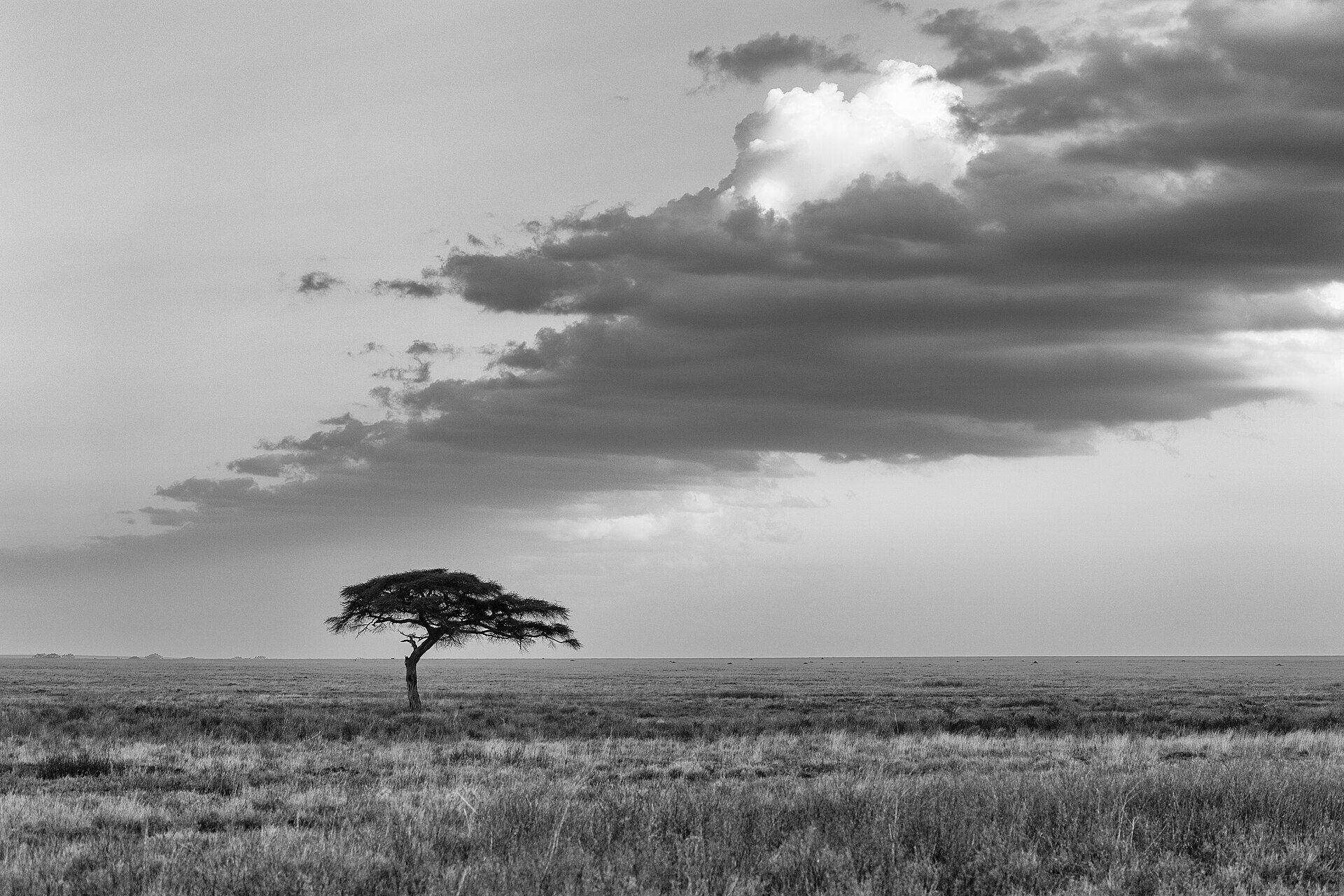
The Serengeti is where most people picture an African safari: golden grass to the horizon, herds that move with the rains, and predators never far behind. At roughly 14,750 km² in northern Tanzania, it is the country’s flagship park and the anchor of the northern safari circuit, pairing naturally with the Ngorongoro Crater and Tarangire on a longer trip. The name comes from the Maasai word siringet, “the place where the land runs on forever,” and after a day on the plains you understand the translation exactly.
Two things separate a good Serengeti trip from an average one: understanding that the park is really several very different regions, and matching the season to the right corner of it. Get those two decisions right and the Serengeti delivers game viewing that is hard to beat anywhere on the continent.
The Great Migration, in brief
The Serengeti is famous above all for the Great Migration — around two million wildebeest and zebra following the rains in a slow, year-round loop through the wider ecosystem. It is not a single event on a fixed date but a continuous movement: calving on the southern plains in the early months, a push north and west through the middle of the year, and the dramatic Mara River crossings in the far north later on.
Because the timing shifts with the rains from one year to the next, chasing the herds is about being in the right region at the right time, not booking a particular week. We cover the whole cycle month by month — and the odds of catching a crossing — in the Great Migration guide. What matters at the overview stage is simpler: the migration is why where you stay inside the park matters as much as when you come.
Know the regions
The Serengeti is too large to see as one place, and most first-timers underrate just how far apart its areas are — a transfer between the south and the far north can take most of a day by road. Four broad regions cover almost every itinerary.
- Seronera and the central Serengeti are the year-round heart of the park. Permanent rivers and woodland hold resident game whatever the season, which makes this the most reliable region for big cats: lion prides on the kopjes, leopard along the river lines and cheetah out on the open grass. If your dates don’t line up neatly with the migration, base yourself here.
- The Western Corridor and the Grumeti follow the Grumeti River towards Lake Victoria. The migration typically passes through around June and July, with river crossings and resident crocodiles, though the exact timing moves year to year.
- The Northern Serengeti around Kogatende is Mara River country, and the stage for the most sought-after crossings — chaotic, crowded-with-wildlife scenes as the herds brave the water and the crocodiles waiting in it — broadly from August to October. It is remote and quieter on the human side, which many visitors prefer.
- The southern plains around Ndutu host the calving season, roughly December to March, when the short-grass plains fill with newborn wildebeest and the predators that follow them. Note that Ndutu technically sits within the adjacent Ngorongoro Conservation Area rather than the national park itself, though it is managed as part of the same safari region.
Because the park is so spread out, many good itineraries split nights between two regions — for example central Seronera plus the north in migration season. Our where to stay breakdown sets out the lodges and camps by area so you can build the route around the wildlife rather than the other way round.
What you’ll see
The migration gets the headlines, but the Serengeti is a complete safari destination in its own right. Central woodland and rivers support high densities of lion, leopard and cheetah, and the plains hold elephant, giraffe, buffalo, hippo, and a long supporting cast of plains game and birds. Rhino are present but scarce and hard to find; the reliable place for them on the northern circuit is the Ngorongoro Crater, which is one reason the two pair so well.
A dawn balloon safari over the plains is the park’s signature splurge. It is expensive and it means a very early start, but drifting silently over grazing herds as the sun comes up, followed by a bush breakfast, is the kind of thing people plan a trip around. Book it well ahead, since balloon capacity is limited.
Getting there and around
Almost everyone flies. Light aircraft run from Arusha to the park’s airstrips — Seronera for the centre, Kogatende for the north — and a short flight saves the long, dusty drive in via the Ngorongoro highlands. Driving in is possible and scenic, but it eats a day at each end; most itineraries fly at least one leg.
Tanzanian parks require a licensed guide and a 4x4 safari vehicle, so self-driving is not a practical option here. In practice that means everyone visits on an organised safari, whether a private vehicle or a small shared group — which is exactly what makes the Serengeti a park to book ahead rather than improvise. A good guide is the single biggest factor in what you actually see. Browse the Serengeti tours to compare operators and routes.
When to go, and for how long
The general rule is that the dry season from June to October offers the easiest game viewing — thinner vegetation, animals concentrated around water — and overlaps with the northern river crossings. January and February are the draw for the southern calving season and the concentrated predator action that comes with it. The wet months in between are greener, quieter and cheaper, with their own rewards for anyone happy to trade guarantees for atmosphere.
Three to four days is the usual recommendation, and enough to see one or two regions well. If you want to understand exactly how the number of nights changes what you can realistically cover — and which base suits your season — read how many days in the Serengeti before you lock in a route.
Ready to plan? Compare Serengeti tours, see where to stay by region, or work out your timing with the Great Migration guide.


