The Great Migration isn’t a single event you can circle on a calendar — it’s a year-round loop of roughly two million wildebeest, zebra and gazelle following the rains around the Serengeti-Mara ecosystem. Seeing it well is less about timing your trip to one month and more about staying in the right place for the season you visit.
Early year: calving on the southern plains
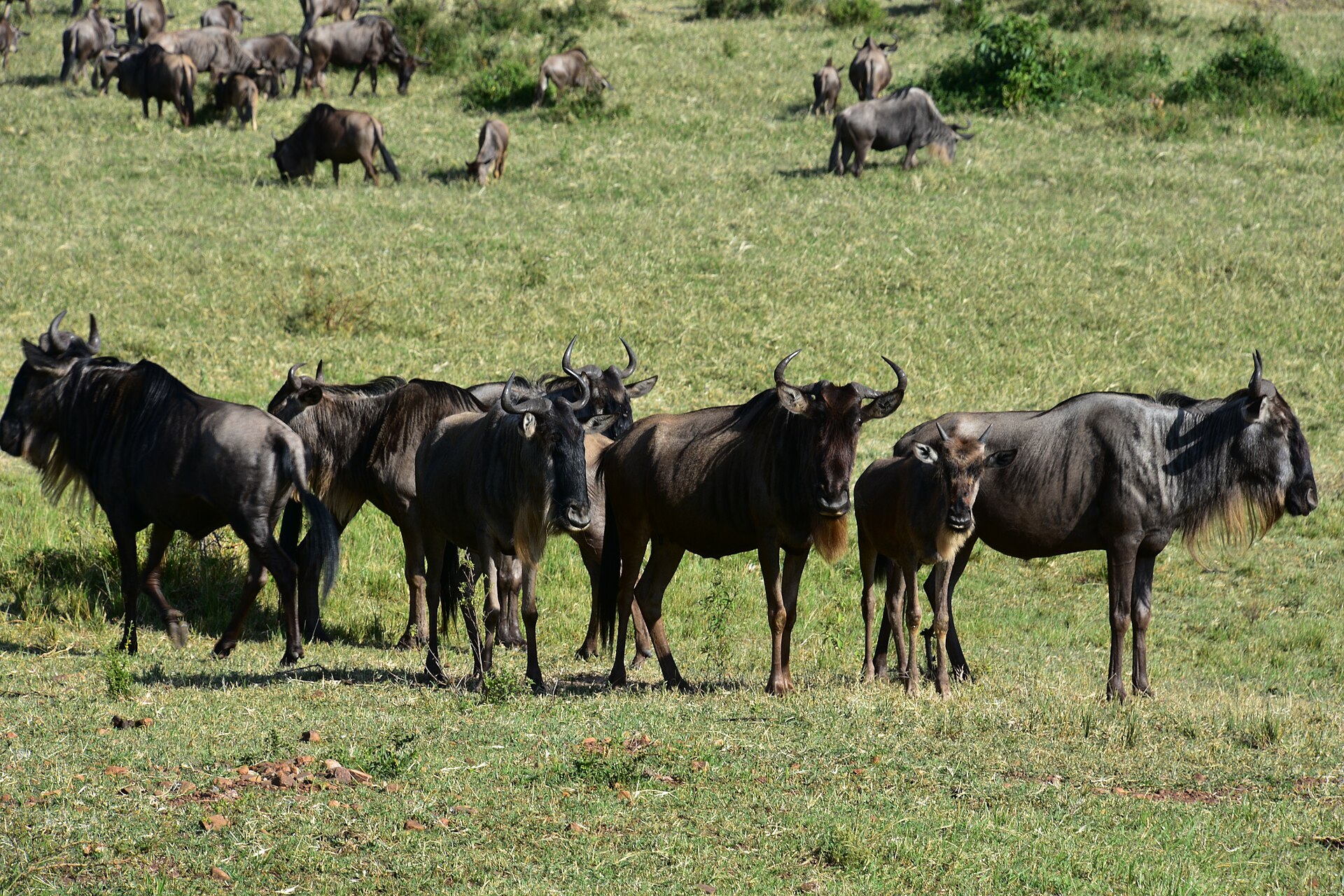
In the first months of the year the herds gather on the short-grass plains of the southern Serengeti and Ndutu. Hundreds of thousands of calves are born in a few short weeks, which in turn draws predators — some of the most concentrated big-cat action of the whole cycle.
Mid-year: the move north
As the plains dry out, the herds push north and west through the corridor, with the columns stretching to the horizon. This is a rewarding and less-crowded time to visit the central and western park.
Crossing season: the northern rivers
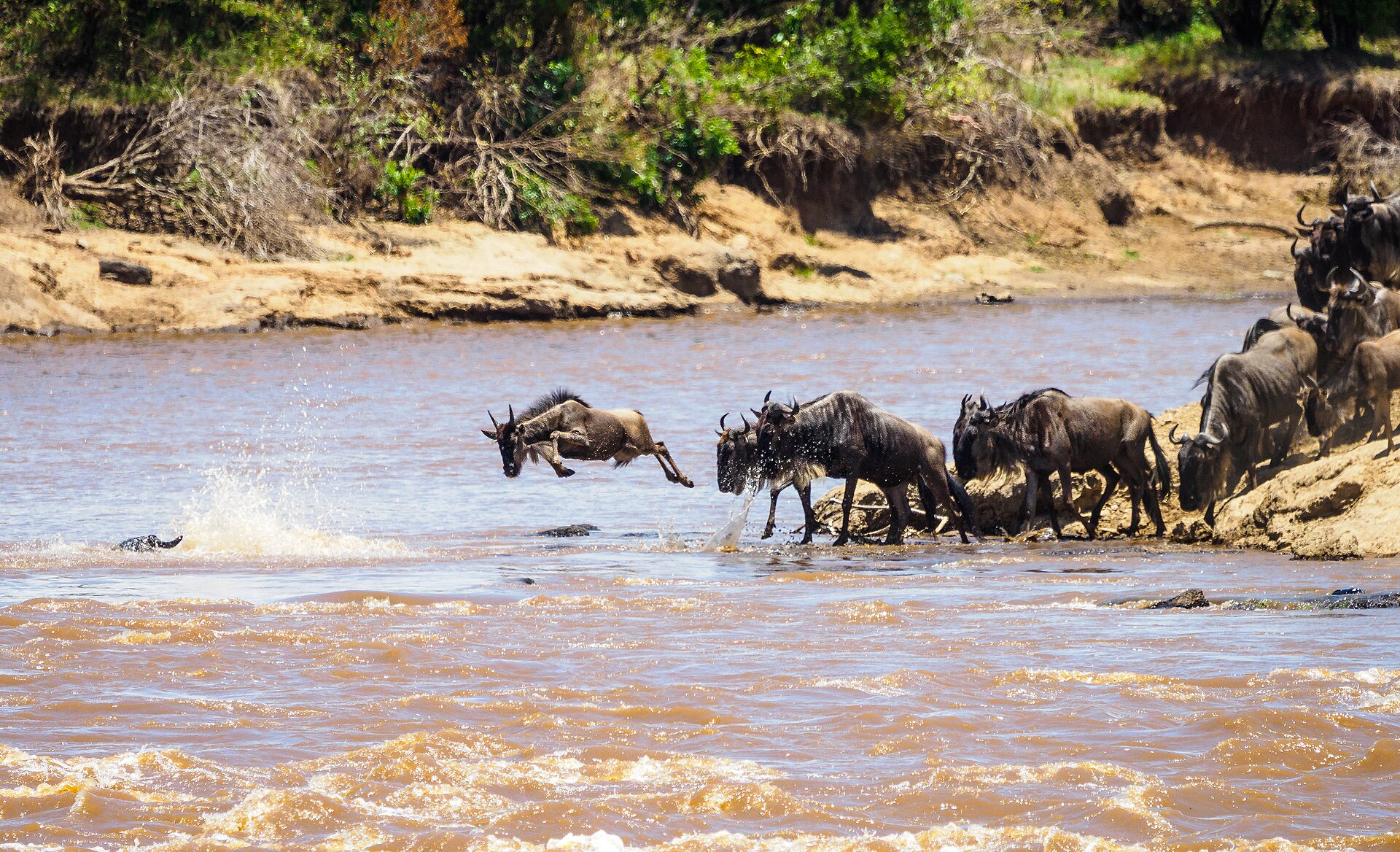
Later in the year the migration reaches the Mara River in the far north, and the famous crossings begin. It’s the most cinematic — and most unpredictable — part of the journey, so a few days in the right camp gives you the best odds.
How to plan it
Because where you stay matters as much as when you come, the simplest approach is a mobile camp that relocates with the herds, or a guided itinerary built around the season. Browse the Serengeti tours to see the options, and read up on where to stay before you book.