“How many days in the Serengeti?” is really two questions in one: how long the park deserves, and how those nights map onto its regions and seasons. The park covers roughly 14,750 km² and behaves like several destinations in one, so the right answer depends less on a magic number and more on what you want to see and when you are coming. Here is how to think it through.
The short answer
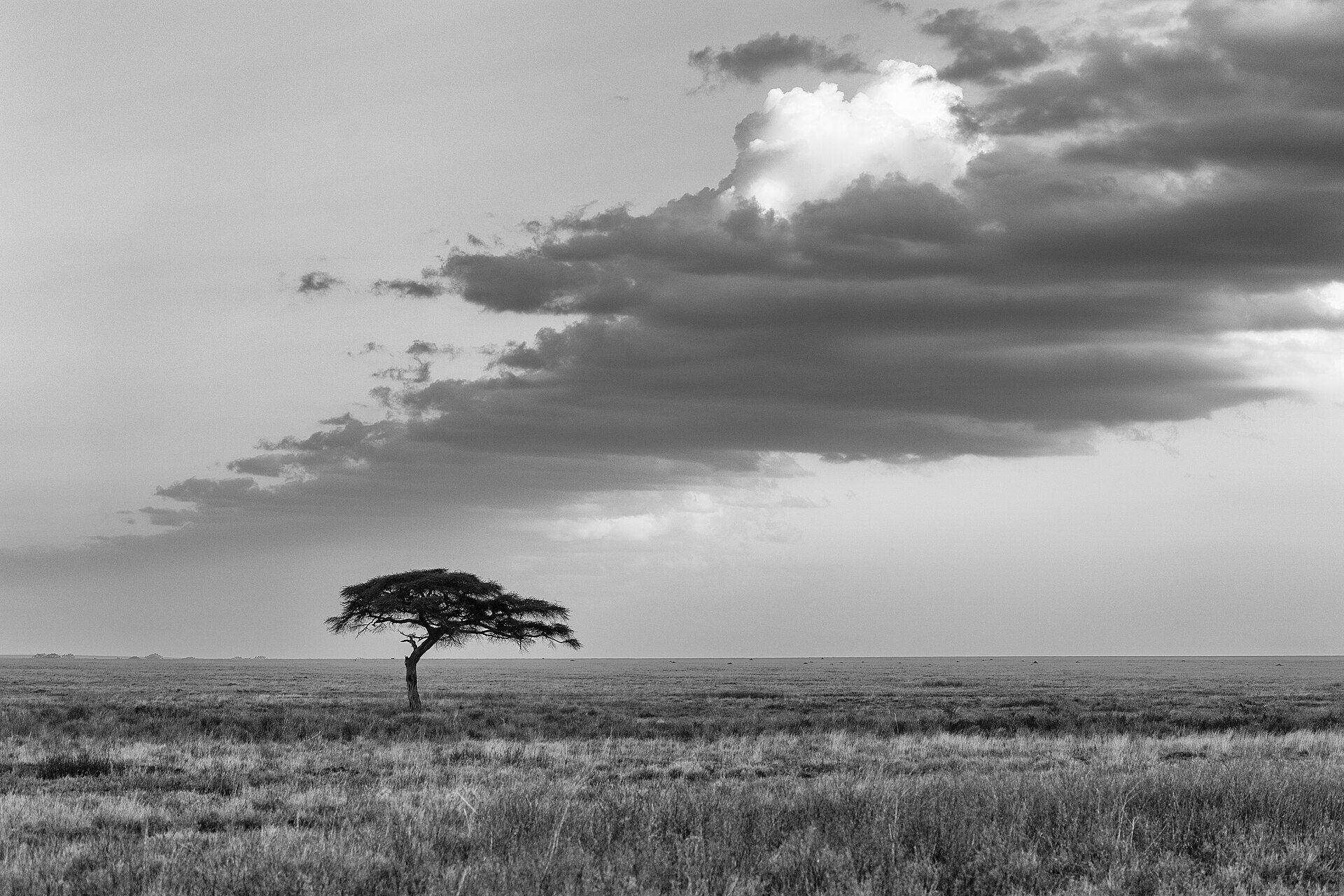
For most people, three to four days in the Serengeti is the sweet spot. That is enough to settle into the rhythm of early drives and long lunches, see one region thoroughly, and — in migration season — split your nights between two areas to follow the herds. It is the number we suggest on the Serengeti overview for good reason: it balances cost, driving time and wildlife without rushing.
Two nights is the practical minimum. Fly in, and you realistically get one full day of game driving plus parts of your arrival and departure days. It works, but the Serengeti is a long way to travel for a single proper day on the plains.
One night rarely justifies the effort on its own. It can make sense only as one stop on a wider northern-circuit loop, where the Serengeti is one of several parks rather than the main event.
Why the park’s size changes the maths
The reason days matter so much here is distance. The Serengeti is too big to see as a single place, and its regions can be most of a day apart by road. A camp in the far north and a camp on the southern plains are not a quick transfer between — they are effectively different safaris. This is why adding nights doesn’t just mean more of the same: it can mean the difference between seeing one region well and stitching two together.
If you only have two or three nights, the honest advice is to pick one region and do it justice rather than spread yourself thin. With four or more, splitting your stay starts to pay off — and a light aircraft hop between airstrips saves the day you would otherwise lose driving. Our Serengeti tours show how operators sequence these moves so you spend time watching wildlife rather than in transit.
Match your base to the season
Where you should sleep depends heavily on when you come, because the Great Migration moves through the ecosystem year-round. (We cover that cycle in detail in the Great Migration guide; here it is only about choosing a base.)
- Central Serengeti — Seronera. The year-round choice. Permanent rivers and woodland hold resident game in every season, which makes this the most reliable region for lion, leopard and cheetah regardless of the migration. If your dates don’t line up neatly with the herds, or you only have a couple of nights, base yourself here.
- Southern plains — Ndutu. For the calving season, roughly December to March, when the short-grass plains fill with newborn wildebeest and the predators that follow. (Ndutu sits within the neighbouring Ngorongoro Conservation Area but is run as part of the same safari region.)
- Western Corridor — Grumeti. For the migration’s passage towards Lake Victoria, broadly June and July, with river crossings along the Grumeti.
- Northern Serengeti — Kogatende. For the Mara River crossings, broadly August to October — the most dramatic wildlife spectacle in the park, and quieter on the human side than the centre.
Because timing shifts with the rains from year to year, treat these windows as guidance rather than guarantees. A good operator will tune your route to where the herds actually are. The where to stay guide lists the lodges and mobile camps by region so you can pick a base that puts you in the right place for your season.
How the regions differ
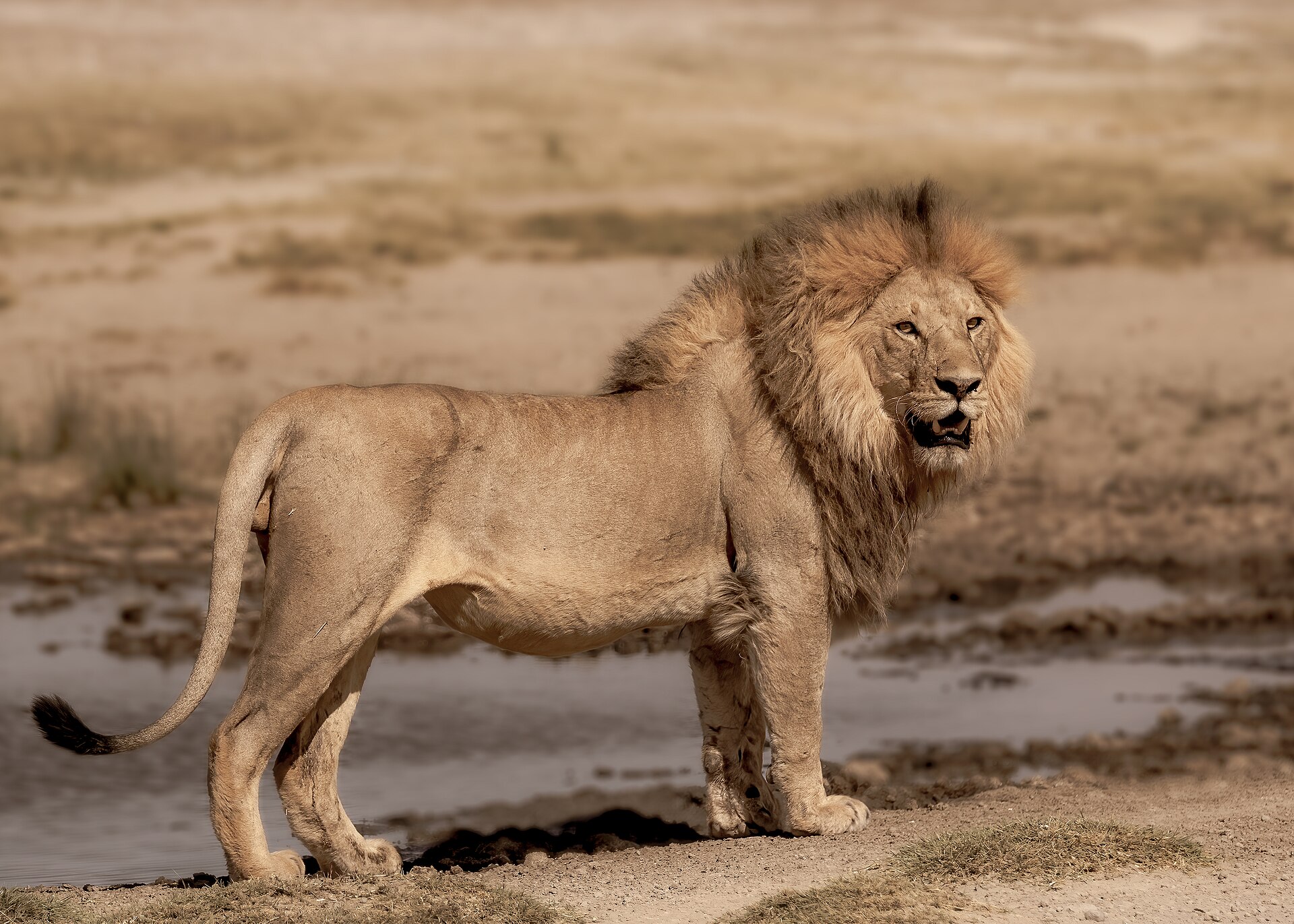
Beyond the migration calendar, the regions have distinct characters worth knowing before you decide how to spend your nights.
The central area around Seronera is classic Serengeti — kopjes, rivers and open grass with the highest density of big cats and the most infrastructure, which also means the most vehicles at a sighting. The north around Kogatende is remote and wilder-feeling, at its best during the crossings but with resident game and fewer crowds at other times. The western corridor is narrower and more seasonal, tied closely to the migration’s route. The southern plains are wide, open and photogenic, spectacular in calving season and comparatively empty outside it.
Building it into a bigger trip
Few people fly all the way to Tanzania for the Serengeti alone. It sits on the northern circuit alongside the Ngorongoro Crater — the reliable place to see rhino, which are scarce in the Serengeti itself — and Tarangire, known for its elephants and baobabs. Three to four Serengeti days plus a night or two at each of those makes a well-paced seven-to-ten-day safari.
From there, the classic finish is the coast: a few days on Zanzibar to swap dawn game drives for warm water once the safari is done. Fit the Serengeti to the trip you actually want, then start with the Serengeti tours and where to stay to turn the plan into a route.