Tarangire is the northern circuit’s quiet achiever. It rarely tops a first-time visitor’s wish list — that honour goes to the Serengeti and the Ngorongoro Crater — yet it delivers some of the most concentrated game viewing in the north and does it with far fewer vehicles around. Sitting about two hours’ drive from Arusha, it is easy to include, and the case for doing so is strong. Here’s what makes it special and how to fit it into a trip.
What sets Tarangire apart
Two features define the park. The first is its elephants: Tarangire holds some of the largest herds in northern Tanzania, and in the dry season hundreds gather along the river at once. Seeing elephants in that kind of quantity — whole family groups moving together, calves included — is something the busier parks can’t reliably match.
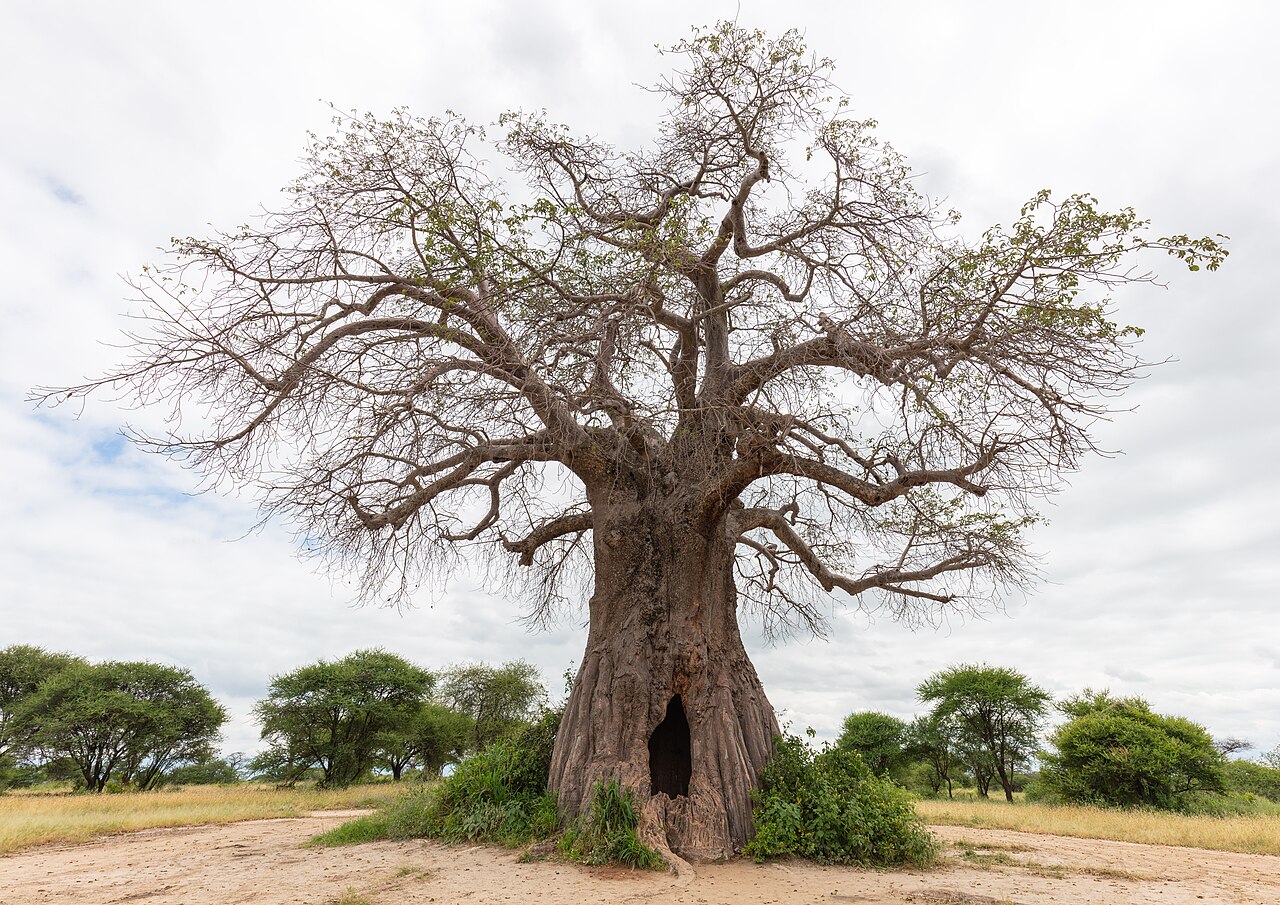
The second is the landscape. Tarangire is baobab country, its grassland studded with hundreds of these ancient, thick-trunked trees. They store water inside their trunks, which is why you’ll often see elephants working at the bark, and they give the park a prehistoric look that sets it apart from anywhere else on the circuit. Add lions and pythons that occasionally rest up in trees, and Tarangire has a character all its own. At roughly 2,850 square kilometres it is also big enough to spread visitors out, so drives feel unhurried.
The river makes the season
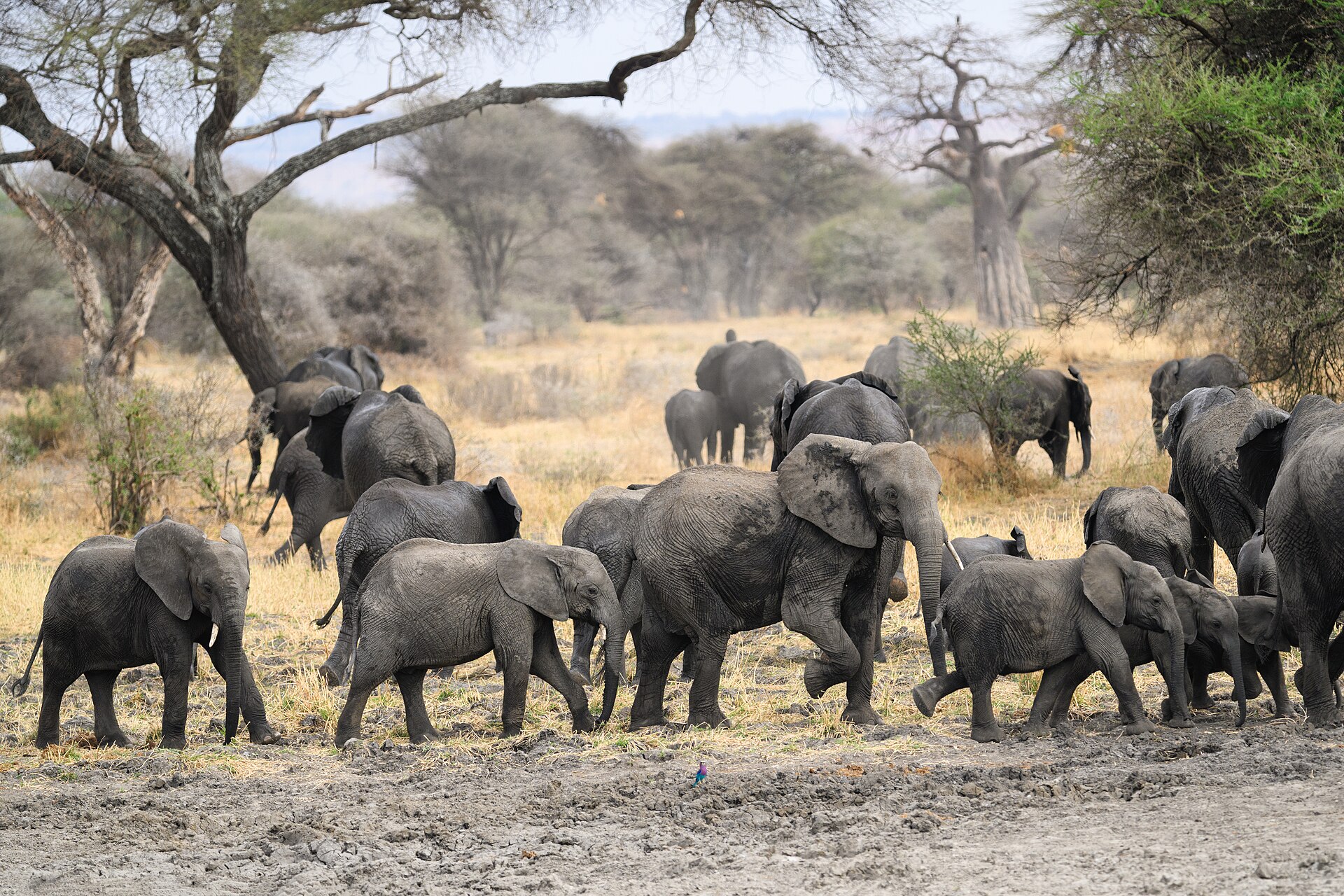
Understanding Tarangire means understanding its river. The Tarangire River is the park’s dry-season lifeline — one of the only permanent water sources in an area that dries hard once the rains stop. From about June to October, as the wider landscape browns off, animals are drawn inward to drink. Elephants, zebra, wildebeest, buffalo, giraffe and gazelle crowd the riverbanks, and predators work the edges of the herds.
That concentration is what makes the dry season the best time for wildlife. The game is dense, the vegetation is thin, and sightings come quickly. It is the busier and more expensive half of the year, but Tarangire stays comfortably quieter than its famous neighbours even at peak.
Why the green season still tempts
The green or wet season, roughly November to May, is the honest trade-off. Once rain returns and water is available across the wider ecosystem, many animals disperse out of the park, so big-game sightings take more patience and luck. In exchange you get lush green scenery, newborn animals, noticeably lower prices and very few other vehicles.
For birders the green season is arguably the better time. Tarangire is one of Tanzania’s richest birding parks, with more than 500 recorded species and the seasonal Silale swamp as a highlight, and the wet months bring migrants and breeding plumage. If your priority is raw game density, come in the dry season; if it’s solitude, scenery and birdlife, the green months reward a slower pace.
Fitting Tarangire into a northern-circuit trip
Tarangire is usually a short stop rather than a destination in itself. Most travellers visit on a full day trip from Arusha or spend one or two nights before moving on, which is generally enough for the river circuit and the elephants. As in every Tanzanian park, you’ll need a guide and a 4x4.
Its location near Arusha makes it a natural bookend. The standard northern-circuit flow links Tarangire with nearby Lake Manyara, the Ngorongoro Crater and the Serengeti. Put it at the start and it eases you into safari life close to town; save it for the end and it sends you off with an elephant-heavy finale. Either way it slots in with almost no detour, which is a large part of why it’s such an easy park to recommend.
Planning your visit
If Tarangire is on your shortlist, start with our Tarangire overview for the full picture, then browse the available Tarangire tours and compare where to stay in and around the park before you book. Get the season right and it may be the sighting-for-sighting highlight of your northern circuit.