There is no single best route up Kilimanjaro — only the best route for your budget, your timeframe and how much company you want on the trail. All the standard routes are non-technical walks that end at the same place, Uhuru Peak on the crater rim. What actually differs between them is scenery, how crowded they get, how well they acclimatise you, and what they cost. Since altitude is what turns most climbers back, acclimatisation is the factor that deserves the most weight — and that mostly comes down to how many days you’re willing to spend on the mountain. For the bigger picture on the climb itself, start with our Kilimanjaro overview.
Marangu — the huts route
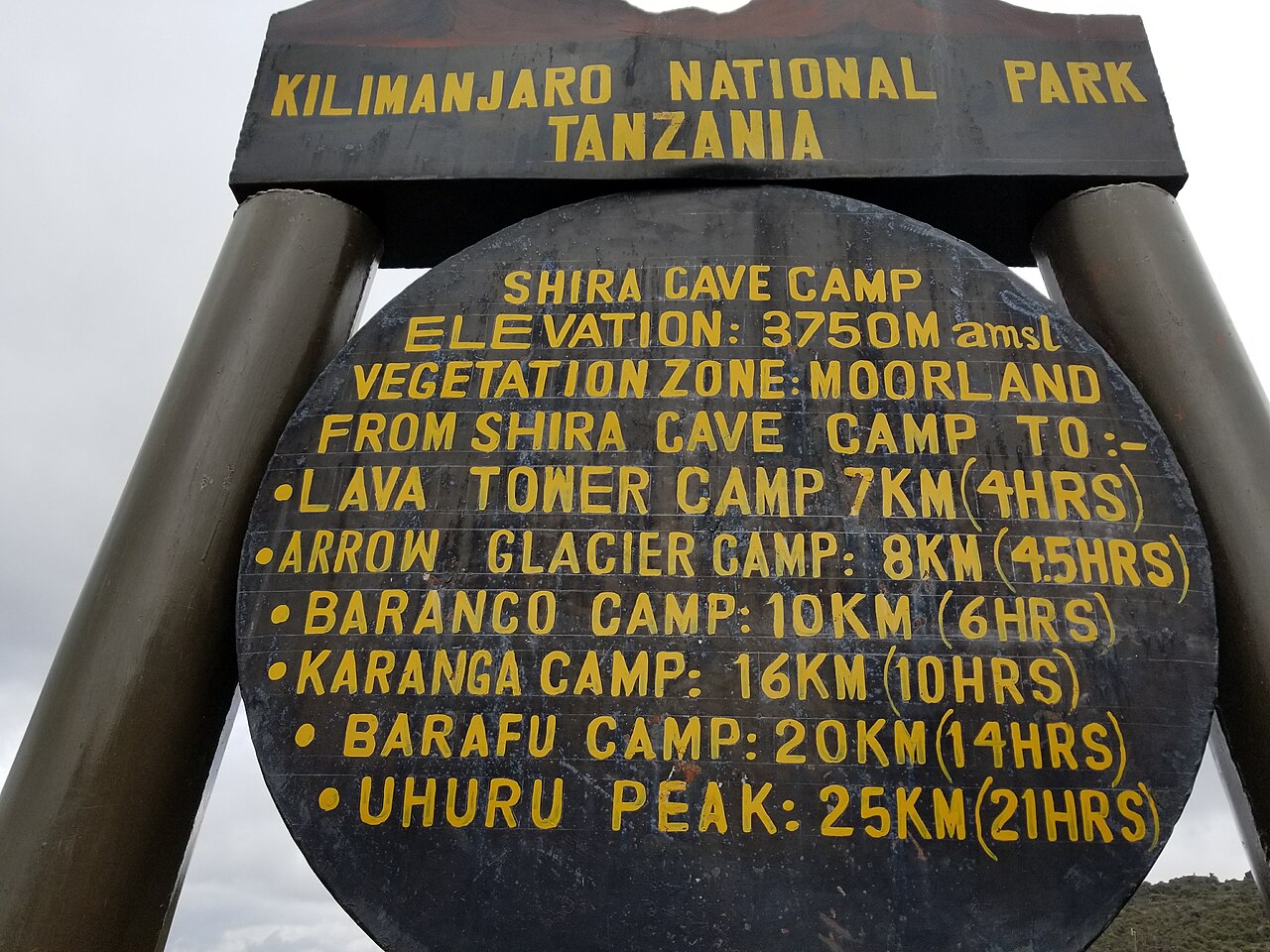
Marangu, nicknamed the “Coca-Cola route,” is the old classic and the only route with dormitory huts rather than tents. That makes it appealing if you’d rather sleep under a roof than in a tent, and it’s usually the cheapest option, often sold as a five-day climb. Those are its selling points, and they come with a real cost. Marangu goes up and down the same path, which gives it the weakest “climb-high-sleep-low” profile of any route and, on the standard five days, one of the lower success rates on the mountain. It’s also busier than its scenery justifies. If Marangu appeals, take the six-day version — the extra acclimatisation day meaningfully improves your chances.
Machame — the popular scenic route
Machame, the “Whiskey route,” has become the default choice for good reason. It’s a camping route with genuinely varied, dramatic scenery and a natural climb-high-sleep-low shape that acclimatises climbers well — particularly over seven days rather than six. The trade-off is people: Machame is the most popular route on the mountain, so you’ll share the trail and the camps. If you want a scenic, well-proven climb with a strong success rate and you don’t mind company, this is the sensible middle choice.
Lemosho — the all-rounder
Lemosho starts remote, on the western side, and spends its first couple of days crossing quiet, wildlife-rich terrain before joining the Machame trail higher up. Run over seven or eight days, it offers excellent acclimatisation and a high success rate, with the scenery of Machame but calmer early stages. For a lot of climbers weighing scenery, quiet and the odds of actually summiting, Lemosho is the best all-round choice on the mountain — which is exactly why serious operators push it so hard.
Rongai — the quiet northern approach
Rongai is the only route that climbs from the north, near the Kenyan border, and it has a character all its own. The northern side is drier, so Rongai is a smart pick in the wetter months when the southern routes turn muddy. It’s gentler, noticeably quieter than Machame or Marangu, and passes through genuine wilderness. Its acclimatisation is decent rather than outstanding, and it’s usually walked over six or seven days. Choose it for solitude and for climbing in shoulder-season conditions.
Northern Circuit — the highest success rate
The Northern Circuit is the longest route on Kilimanjaro, looping almost all the way around the mountain over roughly nine days. All that time on the trail buys the best acclimatisation of any route and, accordingly, the highest summit success rates. You also get remote, little-trodden northern slopes that most climbers never see. The catches are obvious: it’s the most expensive route and it demands the most time. If summiting is your priority and your schedule and budget allow, nothing gives you better odds.
Umbwe — short, steep and only for the experienced
Umbwe is the short, direct, punishingly steep route, and it is not a beginner’s line. It gains height fast, which leaves little room to acclimatise, so it suits only experienced trekkers who already know they adjust well to altitude and want a hard, quiet climb. For most people this is the wrong choice — the fast ascent that makes it appealing is the same thing that makes it risky.
Match the route to you
A quick way to narrow it down:
- Best odds of summiting: Northern Circuit (about nine days)
- Best all-rounder — scenery, quiet and success: Lemosho, over seven to eight days
- Best popular scenic climb: Machame, over seven days
- Best for quiet and the wetter months: Rongai
- Cheapest, and the only huts: Marangu — but take the six-day version
- For experienced, fast-acclimatising trekkers only: Umbwe
Whichever route you lean toward, remember two things. First, more days almost always means a better chance of reaching the top, so resist the temptation to save money by shaving a day. Second, the operator matters more than the route: choose a licensed company that runs a sensible pace, carries oxygen, and treats its porters fairly. Compare Kilimanjaro tours to see how the better operators structure each route, and sort out where to stay around Moshi for the nights that bookend your climb.